

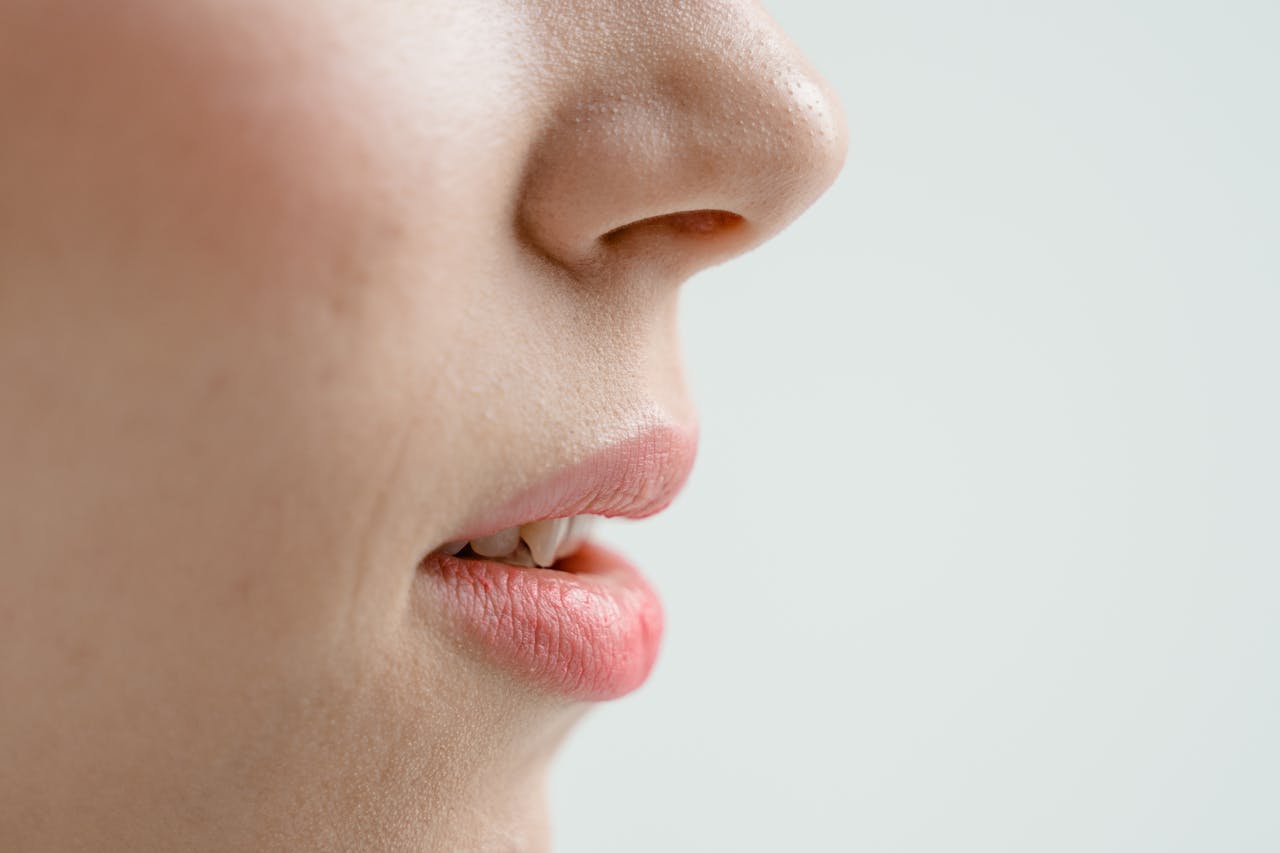


Many patients wonder if rhinoplasty surgery hurts. While you may experience pain, most patients report that the pain is often less than they expect.
Following the procedure, you will experience swelling and bruising, which may cause discomfort, but many patients describe having less pain than expected.
A common facial surgical procedure, rhinoplasty (also known as a nose job) is just one of several types of nose surgery used to transform the shape of your nose. The nose is one of the most prominent facial features, which is why many patients consider rhinoplasty. Read more about the rhinoplasty recovery timeline and more.
The Rhinoplasty Surgery Process
Rhinoplasty surgery can take several weeks or months from initial consultation to final results, and each stage is different. Here is the usual timeline for most patients and what you can expect at every stage.
Initial Consultation
The first step is an initial consultation with your cosmetic surgeon to discuss the surgical techniques they can use and the various nose surgery options you could consider.
Some of the common types of rhinoplasty surgery include:
- Closed Rhinoplasty: With this technique the incisions are placed inside the nostrils, with much of the surgery undertaken blind rather than under direct vision.
- Open Rhinoplasty: This is an extended technique beyond closed rhinoplasty, where the internal nostrils incisions are connected by a small zigzag incision on the columella (between the nostrils), enabling all the structures of the nose to be seen and operated on. This permits a wider range of techniques than in closed rhinoplasty.
- Preservation rhinoplasty: This modern concept aims to preserve certain key structures, including the smooth natural bony dorsum of the nose, and re-fashion other areas such that the final result is as you want it. It aims to avoid unnatural contour irregularities and divots, which can result from traditional older techniques.
- Reduction Rhinoplasty: This option aims to make the nose smaller by reducing a dorsal hump and/or shortening your nasal structure.
- Augmentation Rhinoplasty: An alternative to reduction rhinoplasty, augmentation rhinoplasty makes the nose larger using cartilage grafts and other methods.
- Revision Rhinoplasty: Also known as secondary rhinoplasty, this procedure aims to improve on nasal shape and function after previous surgery.
- Tip Plasty: For changes in the tip only, a tip plasty involves a focus on the tip of the nose without any procedures on the bridge of the dorsum of the nose.
For most patients, other procedures such as brow lift, eyelid surgery or even a facelift can be used to create your dream face.
Surgery
Most nose surgery takes between 2.5 and 4 hours, under general anaesthesia. As a result, you won’t feel pain during the procedure. Afterwards, you will usually be kept on the ward for 2-3 hours to monitor your initial recovery and to check the dressings and splints are in place correctly.
Most patients will be able to leave hospital that night and return as an outpatient for follow-up appointments. In some cases, you may be asked to remain in the hospital overnight, especially if you had other facial procedures as well as rhinoplasty surgery.
Initial Healing Phase
During the initial healing phase, you may feel some pressure and discomfort, rather than actual pain. If required, pain medication can be provided to minimise pain. Over the first week you will need to rest, but you should resume light activities after a few days to keep the blood circulating.
The bandages can be removed after between 7-10 days, and you should consume a soft diet and limit alcohol consumption until then. After 2-3 weeks you should notice the swelling subsides and you feel minimal discomfort.
Ongoing Healing Process
After between 2-6 weeks, you should get back to normal and feel no pain or pressure. Final refinement and adjustment of nasal tissues, particularly on the tip of the nose, can take up to 6 months or more.
How Long Does Rhinoplasty Recovery Take?
For most patients, it is advised to take around 2 weeks off work for the initial recovery period. Over this time, you may experience swelling and bruising on your face. Also, your nose may bleed occasionally, and you will have to wear gauze and bandages around your face for a few days.
After 2-3 weeks, initial recovery is completed, and you should be able to get relatively back to normal activity.
Full healing can take 6-8 weeks, and during this time you may still feel some discomfort. After 6-8 weeks, your incision sites should be healed, although the scars may take longer to fade completely.
Find The Right Surgeon For Your Rhinoplasty Surgery
So, is rhinoplasty painful? The answer is that most patients describe minimal pain and soreness following rhinoplasty surgery. After all, pain is the body’s natural healing response, so some pain is to be expected after cosmetic surgery like a nose job.
Ultimately, the fear of pain shouldn’t influence your decision to choose rhinoplasty surgery. When you work with an experienced plastic surgeon like Sinclair Gore, you know that you’ll get the best possible outcome from your rhinoplasty procedure, which includes minimal pain and the nose shape you’ve always wanted.
The first step is to book a consultation. Sinclair Gore can discuss your expectations and goals for your surgery, and then help you select the surgical procedures to achieve them. If you’re looking to explore your options and build your treatment plan get in touch on +447833 221725 or by emailing admin@sinclairgore.co.uk.




 +447833221725