

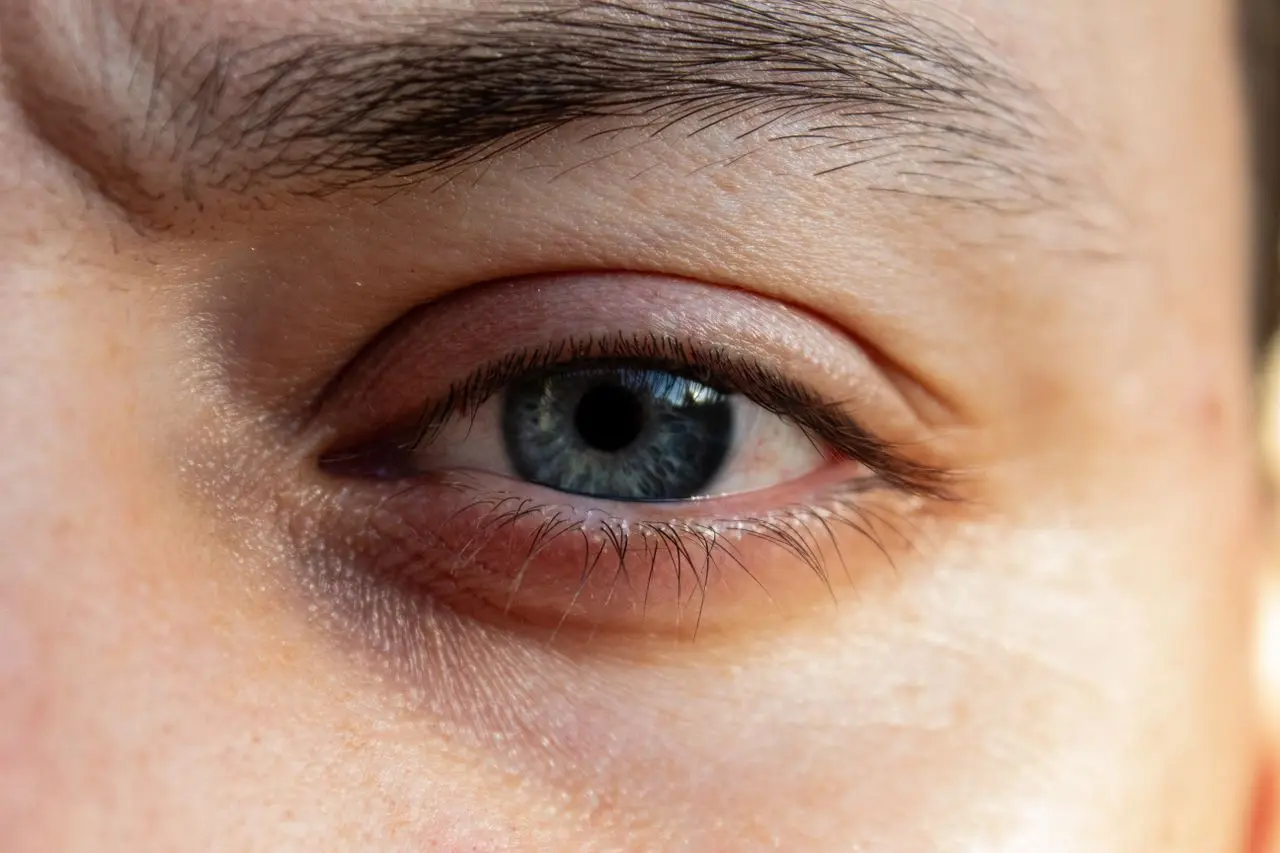

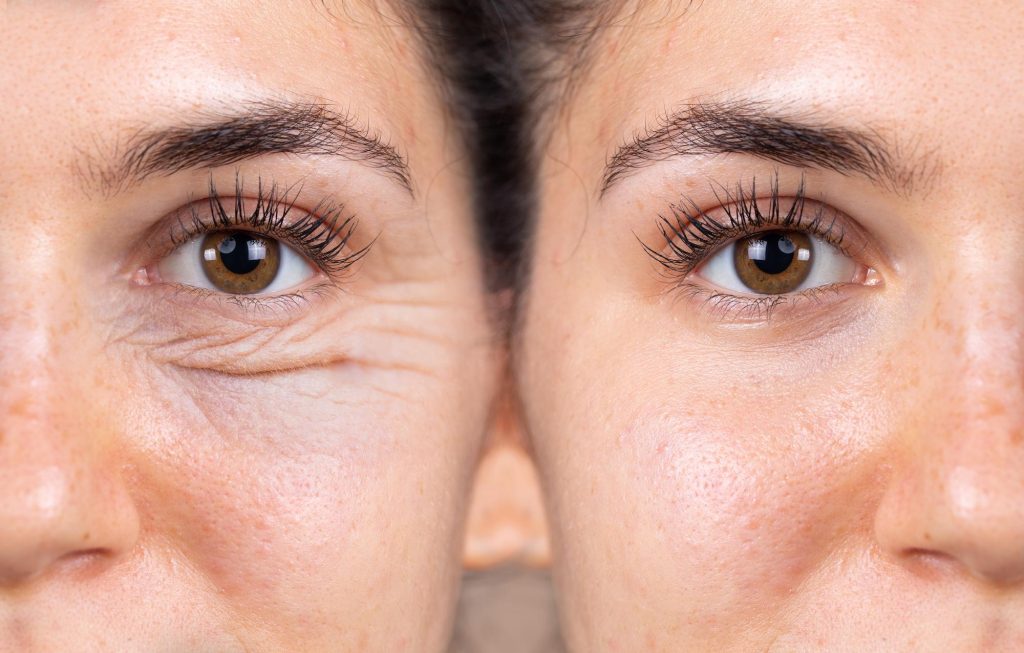
During the ageing process, the skin around the eyes can start to sag and develop deep wrinkles, which can make patients feel self-conscious. Fat compartments under the skin also become lax and changes at this level can increase ageing changes. In some cases, excessive sagging skin around the upper eyelids and brow can also cause vision problems.
For patients dealing with these issues, eyelid surgery, or blepharoplasty, can be the ideal solution. When combined with other facial surgery procedures, such as facelifts, neck lifts, brow lifts, or lip lifts, it can create a more youthful appearance and reduce issues caused by excess skin around the eye area.
To help you understand eyelid surgery and how the popular surgical procedure works, Sinclair Gore has put together this useful guide.
Types Of Blepharoplasty Surgery
There are several types of blepharoplasty surgery, and the best one to suit your needs will depend on your current eye appearance and your aesthetic goals.
Upper Eyelid Blepharoplasty
Simple upper eyelid blepharoplasty removes excess skin from the upper eyelids. An incision is made in the natural crease on the upper eyelid and excess skin is removed to create a smoother appearance. Underlying bulging fat can be removed or repositioned to help with ageing changes. Commonly upper blepharoplasty needs to be combined with a brow lift and/or fat grafting to maximise the correction of sagging tissues in this region. When upper eyelid surgery is carried out to remove excess skin sagging over the eyes it is known as functional blepharoplasty.
Lower Eyelid Blepharoplasty
Lower eyelid surgery may address bulging and bags under the eyes and/or excess lax skin. Internal fat bulging resulting in fat bags is based on definite anatomical ageing changes and Mr Gore will be happy to explain that to you at your consultation. Lower eyelid fat bag correction alone may be corrected with scarless Transconjunctival Lower Blepharoplasty (undertaken from inside the lower eyelid and requiring no external scars) whilst problems with lax skin (on it own or along with fat bags) can be comprehensively treated with Transcutaneous (Open) Lower Blepharoplasty (where a scar is placed just under your lashes). Lower blepharoplasty surgery may be planned to include a midface lift, volumisation with fat grafting and tightening of the lax lower eyelid, depending on your starting position.
Combined Blepharoplasty
For many patients, having both the lower and upper lids treated at the same time can help to give them the look they want with just one procedure and recovery process, which is usually only slightly longer.
Ectropion Correction
Ectropion correction surgery repairs eyelids that have lost their stability and which sit off the eyeball; this may be due to scars from previous skin cancer surgery, age-related laxity, nerve paralysis, or as a result of previous eyelid surgery. The issue can cause dry eyes and irritation, which can be corrected by tightening the lower eyelid tendons and removing a small piece of eyelid tissue if necessary. This can sometimes be required as a risk-reducing approach to lower eyelid cosmetic surgery.
Why Patients Choose Eyelid Surgery
There are many reasons why patients choose blepharoplasty surgery, including:
- To remove excess fat and skin around the eyes
- To tighten the skin around the eyes and reduce signs of ageing
- To reduce the appearance of eye bags under the eyes
- To fix impaired vision as a result of heavy eyelids and excess skin
- To alleviate issues such as eye irritation, dry eyes or excess watering
- To enhance the results of other facial surgical procedures, such as facelifts or brow lifts
What Happens During Blepharoplasty Surgery?
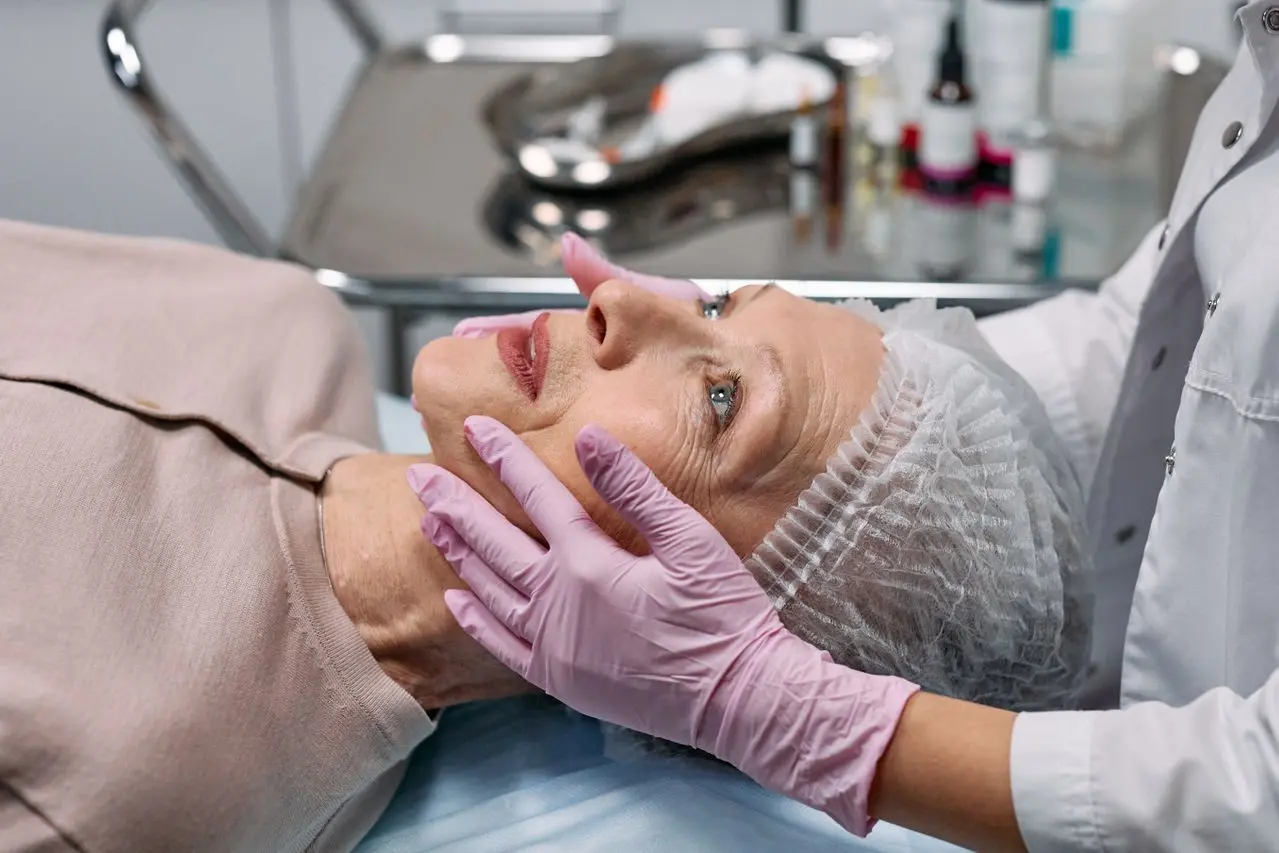
Some simplistic eyelid surgery can be performed under local anaesthetic whilst more advanced procedures (including undertaking blepharoplasty alongside facelifts etc) are best undertaken under general anaesthetic or deep sedation.
Before the procedure, your surgeon will discuss your aesthetic goals and medical history to create a custom treatment plan that works for you.
An upper eyelid lift usually takes between 45 minutes and 1 hours, but might take longer if combined with another procedure. Lower eyelid surgery is often very bespoke and typically takes a little longer depending on what specific manoeuvres are being planned.
Most patients feel more discomfort than pain, and will generally be able to leave hospital the same day.
It is important that you arrange for someone to drive you home and that you refrain from work and strenuous activity that could cause eye strain for at least the first week or two post surgery.
There will be swelling immediately after surgery, and your surgeon may suggest using an cool pack to reduce swelling and discomfort. You may need to sleep on your back for some weeks following blepharoplasty. Learn more in our guide: When Can You I Sleep On My Side After Blepharoplasty?
After attending follow-up appointments, most patients can return to normal work activities soon after surgery. Mr Gore advises that you give yourself a stress free time to recover with enough time away from work and socialising.
Following upper eyelid surgery some bruising a puffiness may ensure for up to a couple of weeks; Lower eyelid surgery can result in more extensive puffiness and bruising for up to three weeks or more, depending on what has been undertaken. Full mature results may only be visible after 2-6 months, depending on the type of procedure carried out.
Find Out More About Blepharoplasty
If you’re interested in eyelid surgery and want to find out more, the best approach is to speak to an experienced cosmetic surgeon who has carried out this procedure.
Sinclair Gore has extensive experience offering eyelid surgery and other facial procedures across Oxford, Reading and Banbury.
As such, he has the expertise needed to help fix drooping eyelids and create the youthful look you’ve always wanted.
If you’re interested in finding out more about blepharoplasty and how it could help you achieve your aesthetic goals, get in touch on +447833 221725 or by emailing admin@sinclairgore.co.uk to book your consultation.





 +447833221725