




For many patients, blepharoplasty can be a good choice to help remove excess skin and fat around the eye area.
When combined with other facial surgery procedures, such as facelifts, neck lifts, brow lifts, chin augmentation or lip lifts, blepharoplasty can give you a naturally youthful and smooth appearance.
Whether for cosmetic reasons to give a more youthful appearance, or for functional reasons to reduce heaviness and stop excess skin obstructing the peripheral vision, blepharoplasty is a popular procedure.
To get the best possible results, it’s imperative that patients get a good night’s sleep and choose the right position.
Because blepharoplasty involves making incisions around the delicate eye area, your sleep position is incredibly important to your recovery. That’s why it’s often recommended that patients wait at least 3 to 4 weeks post surgery before sleeping on their side.
By this time you should have had your first follow-up appointment and should only sleep on your side if your surgeon advises that you are sufficiently healed to do so.
To find out more about why your sleep position matters after eyelid surgery and how you can improve the healing process, keep reading.
The Best Sleeping Position Following Blepharoplasty
The best sleeping position in the early weeks following eyelid surgery is to lie flat on your back in the centre of your bed with your head in an elevated position.
This can be difficult for some patients, especially if you don’t usually sleep on your back, but it can help to ensure optimal healing and the best possible results from your blepharoplasty procedure. If your sleep habits typically involve side or stomach sleeping, then this can be challenging.
To achieve this position, most patients use multiple pillows braced against their head to keep the head elevated during the recovery period. A u-shaped travel pillow can be a good idea to help you remain laying on your back.
Additionally, to stop yourself from rolling over onto your side or stomach, you can build a pillow barricade, using firm pillows around your body.
After the first 3 to 4 weeks, and once your surgeon is happy, then you can return to your normal sleep routine.
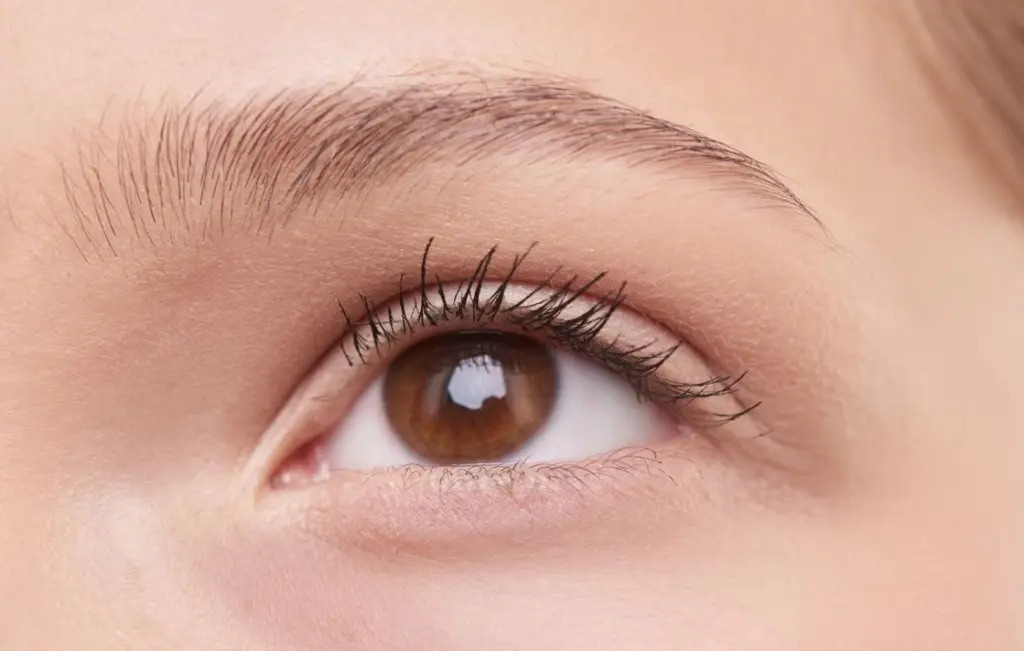
Why Sleeping Position Is Important After Eyelid Surgery
Ensuring that you maintain the right sleeping position following eyelid surgery is crucial for several reasons:
- Improves Healing: Sleeping with your head elevated allows the fluid and blood to drain away from your eyes and down towards your heart, which helps reduce your blood pressure, thus limiting swelling and bruising after surgery.
- Prevents Uneven Results: Sleeping on your side after blepharoplasty can lead to fluid pooling around one eye, leading to uneven swelling and an asymmetrical final result. Head elevation during sleep can ensure asymmetrical healing, giving you the results you want.
- Protects The Incision Sites: In the first week following blepharoplasty, the surgical site will be tender and sore, and sleeping on your side could lead you to touch the healing tissue with the pillow or a hand, causing pain and potential infections that could disrupt the healing process.
Blepharoplasty Recovery Tips
To ensure optimal healing and get the best possible results from your eyelid surgery, there are several techniques you can use and steps you can take during the recovery process, which are listed below.
- Follow Post-Operative Instructions: The most important tactic you can use is to follow your surgeon’s advice to ensure proper healing. Make sure you do as they advise and contact them if you have any issues, such as significant swelling or extreme pain.
- Reduce Eye Strain: On your surgery day, make sure you have someone to give you a lift to and from the hospital. When you are discharged, try to avoid reading or using screens for the first few days to reduce eye strain.
- Apply Cold Compresses: For the first few nights post surgery, use cold compresses for faster healing and reduced swelling.
- Avoid Contact Lenses: If you need prescription lenses, make sure you wear glasses instead of contact lenses for at least the first few weeks, or until your surgeon advises you can start wearing them again.
- Adopt Healthy Habits: Avoid alcohol, smoking and eating fatty foods where possible following your operation to improve the healing process. Eating healthily and taking light exercise when your surgeon advises that it is safe to do so can significantly improve your chances of reducing swelling, bruising and discomfort following eyelid surgery.
- Focus On Sleep: Deep sleep can help with healing, so make sure you follow the advise in this guide to enjoy safe, healthy sleep, especially over the first few nights after surgery.
Find Out More About Blepharoplasty
If you’re considering eyelid surgery and want to find out more, then you need to book a consultation with an experienced surgeon.
Sinclair Gore has carried out eyelid surgery for many patients over the years, and currently provides blepharoplasty in Oxford, Reading and Banbury.
Whether you want to correct hooded eyes or get a more youthful appearance around the eye area, Sinclair Gore can create a tailored treatment plan that includes eyelid surgery and other facial procedures to give you the best possible results.
If you’re interested in finding out more about blepharoplasty surgery, get in touch on +447833 221725 or by emailing admin@sinclairgore.co.uk to book your consultation.




 +447833221725