

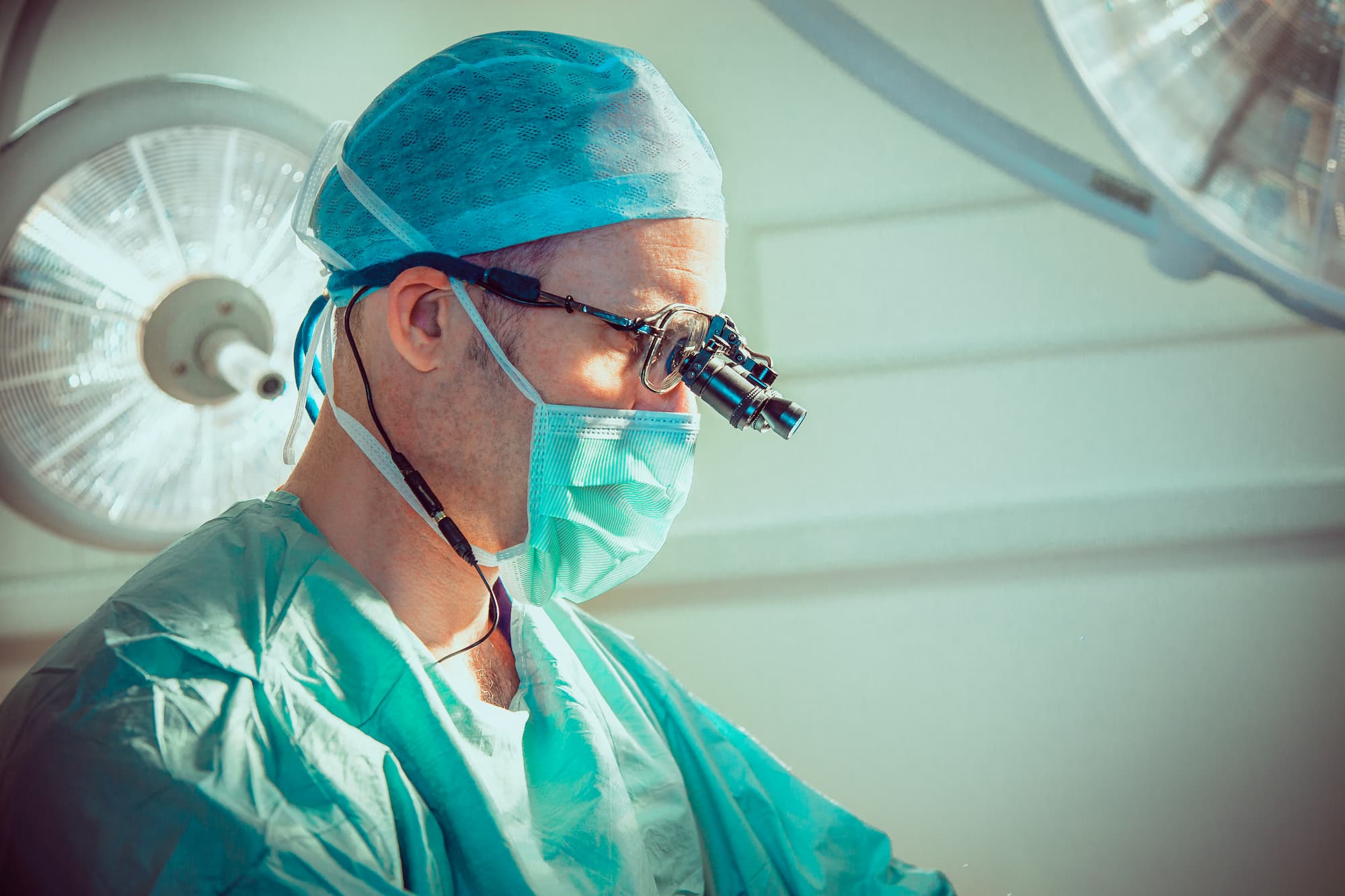


Since the nose is at the centre of the face, it’s no wonder that rhinoplasty surgery is such a common cosmetic procedure.
Rhinoplasty, also known as ‘nose job’, is a common type of nose surgery that involves changing the shape, size and proportions of the nose to improve aesthetic appeal. It can also be used to amend birth defects in the nasal area or improve breathing.
Sinclair Gore regularly carries out rhinoplasty and other types of nose surgery, so he has a strong understanding of the procedure, how long it takes and what the recovery process is like. Keep reading to find out more.
What Is Rhinoplasty?
Rhinoplasty is a type of nose reshaping surgery, and there are several different types of rhinoplasty surgery offered. Some of the most common types of rhinoplasty include:
- Closed Rhinoplasty: With this technique the incisions are placed inside the nostrils, with much of the surgery undertaken blind rather than under direct vision.
- Open Rhinoplasty: This is an extended technique beyond closed rhinoplasty, where the internal nostrils incisions are connected by a small zigzag incision on the columella (between the nostrils), enabling all the structures of the nose to be seen and operated on. This permits a wider range of techniques than in closed rhinoplasty.
- Preservation rhinoplasty: This modern type of nose surgery aims to preserve certain key structures, including the smooth natural bony dorsum of the nose, and re-fashion other areas such that the final result is as you want it. It aims to avoid unnatural contour irregularities and divots, which can result from traditional older techniques.
- Reduction Rhinoplasty: This cosmetic surgery option aims to make the nose smaller by reducing a dorsal hump and/or shortening your nasal structure.
- Augmentation Rhinoplasty: An alternative to reduction rhinoplasty, augmentation rhinoplasty makes the nose larger using cartilage grafts and other methods.
- Revision Rhinoplasty: Also known as secondary rhinoplasty, this procedure aims to improve on nasal shape and function after previous surgery.
- Tip Plasty: For changes in the nose tip only, a tip plasty involves a focus on the tip of the nose without any procedures on the bridge of the dorsum of the nose.
Rhinoplasty is usually performed as a day case procedure, and can be done on its own or alongside other plastic surgery procedures, such as a brow lift, lip lift, eyelid surgery or other less extensive procedures. Patients can use rhinoplasty surgery as an opportunity to change the look of their nose and deal with issues such as disproportionate features or difficulty breathing.
Rhinoplasty Surgery Steps
Getting a rhinoplasty can take several months from the initial consultation to going into theatre, as you may need time to choose the right type of procedure, and many prestigious plastic surgeons have waiting lists. These are all the stages of a rhinoplasty procedure and a rough rhinoplasty recovery timeline.
Initial Consultations
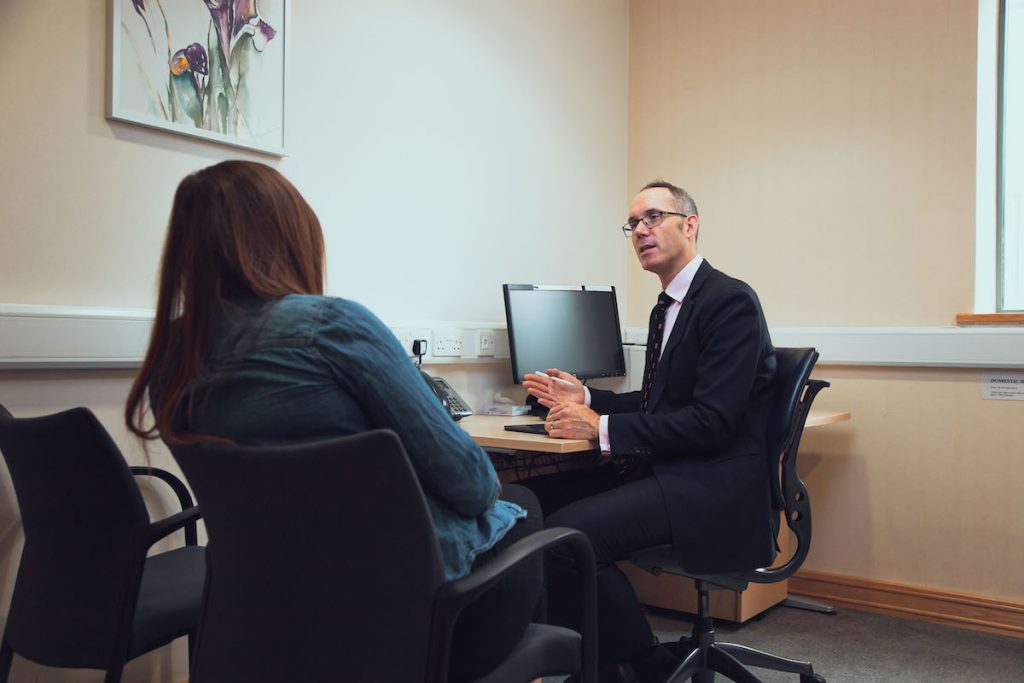
During your initial consultation, your surgeon will discuss what you want to achieve with your nose job, and the best type of rhinoplasty surgery to achieve this. They will also provide you with insight into the nose job recovery process.
Patients will have two consultations prior to their nasal surgery and any additional discussions can serve to clarify the aims of the operation: the face to face consultation may finalise the surgical plans, but if required you can ask for further support to ensure you get the right outcome from your nose surgery.
Rhinoplasty Surgery
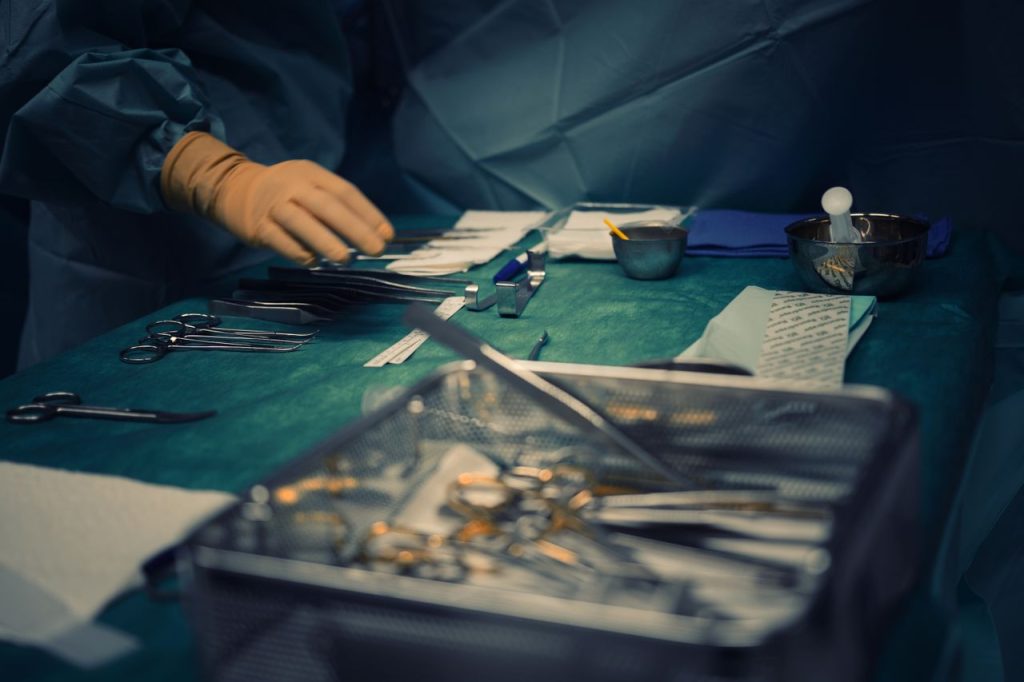
Rhinoplasty surgery is performed under general anaesthetic, and usually takes around 2-4 hours. However, if your case is more complex (such as marked nasal deviation, septal deviation or revision surgery), this may increase the duration of your operation.
Most rhinoplasty patients are then kept in the ward for another few hours after the operation to monitor recovery, before being sent home. It’s recommended that you get a friend or family member to take you home. In some cases, such as if you have a complex medical history, you might be kept overnight to ensure optimal healing.

Early Recovery Process
The initial healing process for rhinoplasty takes around 4-6 weeks. During the first 1-2 weeks you’ll experience facial swelling and some discomfort. You will leave hospital wearing dressings and splints, with instructions on when to take them off and how to keep your nasal area clean during this time.
Mr Gore usually removes the dressings and splints after between 7-10 days. During this first period of recovery you should be consuming a soft diet, as well as limiting alcohol consumption and strenuous exercise. You can also use a cold compress to relieve discomfort, pressing it onto your cheeks to avoid putting pressure on the surgical site and causing nasal bone and cartilage to shift. Keep your head elevated while you sleep and avoid putting pressure on your nose for the first few weeks. Any nasal blockage during this time may be due to the internal splints (if placed), and this will improve markedly after the splints are removed at 7–10 days.
After 2-3 weeks you should notice the swelling subsides and you feel minimal discomfort. During your initial recovery time, you will have follow-up appointments with your surgeon to check the surgery site and to answer any questions you may have.

Full Results
After 6-8 weeks, your incision sites should be healed, although the scars may take longer to fade completely. You should no longer feel discomfort, and be able to return to normal activities.
Final rhinoplasty results can take between 12 and 18 months to fully show, as during this time the nasal tissues will have fully settled into their new shape, and all residual swelling will have gone.
Is Rhinoplasty Painful?
Pain is subjective, but you might be surprised by how little a rhinoplasty procedure hurts. While rhinoplasty swelling and discomfort are common following the procedure, many patients report less pain than expected. To learn more read: Does Rhinoplasty Hurt?
Start The Rhinoplasty Surgery Process
Rhinoplasty can be an ideal way to improve nasal function and give you the look you’ve always wanted, and it all starts with the right surgeon.
Choosing an experienced cosmetic surgeon like Sinclair Gore means that you get the best possible chance of the outcome you want. Sinclair Gore can carry out all types of nose surgery, and has the expertise needed to design a bespoke treatment plan that suits your unique needs.
The first step towards getting the nose you’ve always wanted is to book a consultation. Sinclair Gore can discuss your expectations and goals for your rhinoplasty surgery, and then help you select the surgical procedures to achieve them. If you’re looking to explore your options and build your treatment plan get in touch on +447833 221725 or by emailing admin@sinclairgore.co.uk.





 +447833221725